

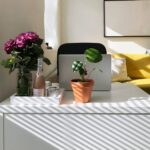








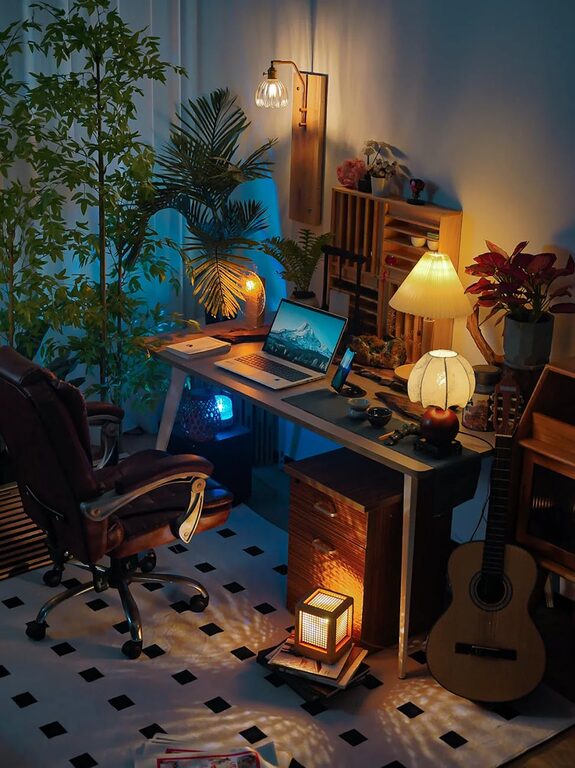
Creating a comfortable and inviting home workspace can make a big difference in your daily productivity and overall well-being. Whether you work remotely full-time or occasionally, having a dedicated area that feels cozy and motivating helps you stay focused and enjoy your workday. In this post, we’ll explore practical tips for designing a home workspace that’s both functional and welcoming.
Why a Cozy Workspace Matters
A workspace that feels inviting is not just about looks; it also improves concentration and reduces stress. When your environment is comfortable, you’re more likely to maintain good posture, stay organized, and take necessary breaks, all of which enhance your work performance.
Choose the Right Location
Find a Quiet, Well-Lit Spot
Start by selecting a spot in your home that is relatively quiet and has good natural lighting. Natural light boosts mood and energy, so positioning your desk near a window can be beneficial. If natural light is limited, invest in quality lamps that offer soft, warm light instead of harsh fluorescent bulbs.
Consider Privacy and Noise Control
If possible, pick an area away from high-traffic zones where you can minimize distractions. Noise-cancelling headphones or white noise machines can help if noise is unavoidable.
Select Comfortable and Functional Furniture
Ergonomic Desk and Chair
Investing in an ergonomic chair and desk is key to comfort during long working hours. An adjustable chair with good lumbar support helps prevent back pain. Your desk should be at a comfortable height that allows your arms to rest naturally while typing.
Add a Footrest
A footrest can improve circulation and posture, keeping you comfortable and reducing fatigue.
Personalize Your Workspace with Cozy Touches
Soft Textiles
Incorporate soft materials such as a plush rug under your desk, cushion covers, or a cozy throw blanket on your chair. These elements add warmth and tactile comfort.
Plants and Greenery
Adding a few houseplants not only enhances aesthetics but also improves air quality and creates a calming atmosphere.
Artwork and Inspiring Decor
Decorate with artwork or photos that inspire you or bring joy. Having personal touches nearby can boost creativity and motivation.
Maximize Organization and Storage
Declutter Regularly
A tidy workspace helps keep your mind clear. Regularly remove unnecessary items and only keep essentials on your desk.
Use Storage Solutions
Use shelves, drawers, or baskets to store documents, stationery, and electronics. Label containers to quickly find what you need and maintain order.
Cable Management
Tidy cables with clips, sleeves, or boxes to avoid a messy look and improve safety.
Incorporate Technology Thoughtfully
Proper Screen Setup
Position your computer screen at eye level and about an arm’s length away to reduce eye strain and neck pain.
Use Quality Accessories
Consider investing in a good keyboard, mouse, and headset, especially if you spend many hours working online.
Maintain Good Air Quality and Temperature
Ensure your workspace is well-ventilated with fresh air to help maintain energy and focus. A fan or small air purifier can be useful. Also, keep the temperature comfortable—not too hot or cold—using a heater or fan as needed.
Create a Routine and Boundaries
Set Work Hours
Establish clear start and end times for work to separate professional and personal time.
Take Breaks
Include short breaks to stretch, hydrate, and rest your eyes. This supports both comfort and productivity.
Final Thoughts
Designing a home workspace that feels cozy and inviting takes some effort but pays off with increased comfort and focus. By choosing the right location, investing in ergonomic furniture, personalizing your space, and keeping it organized, you create an environment where you can thrive and enjoy your work. Start small, and adjust your workspace based on what feels best for you.
Remember, your home workspace should be a place that supports your needs while reflecting your style and personality—making work a little more enjoyable every day.